

Nursing in New Zealand has become a highly sought-after career path for both domestic and international students, especially from Nepal. With the growing demand for skilled healthcare professionals and a supportive work environment, New Zealand provides unmatched opportunities for nurses to excel. If you are looking to build a successful nursing career, understanding the system, developing your skills, and leveraging the right opportunities are crucial.
In this comprehensive guide, we explore 7 proven ways to thrive professionally in nursing in New Zealand. Whether you’re a student planning to study nursing in New Zealand for Nepali students or an experienced professional looking to advance your career, these strategies will help you succeed.
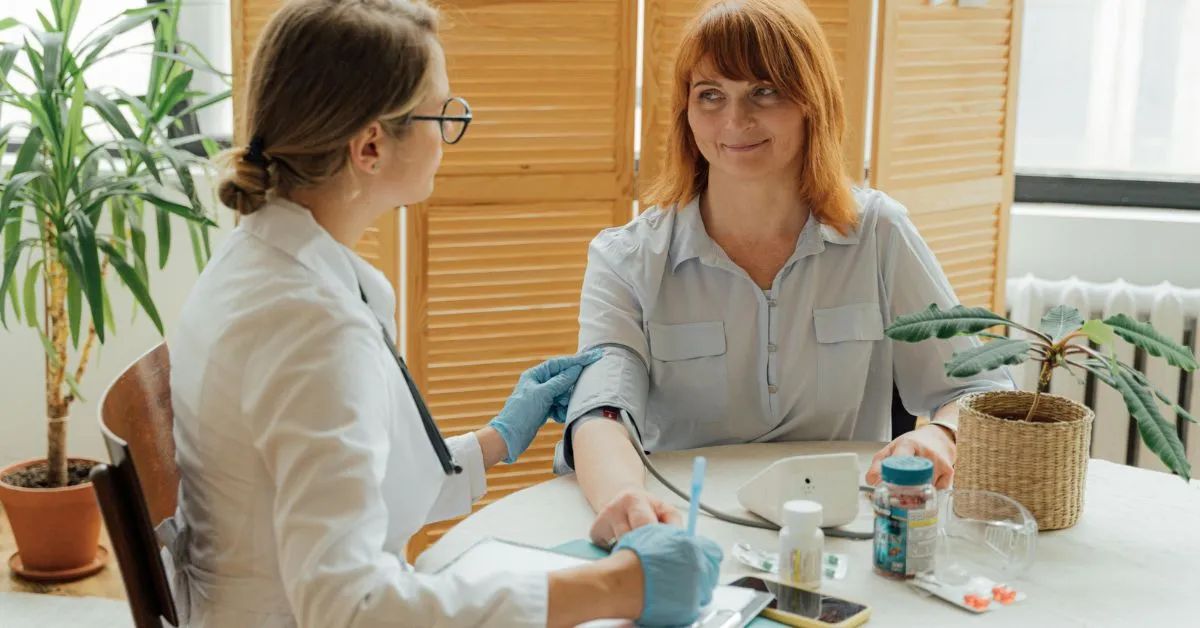
Overview of Nursing in New Zealand
New Zealand’s healthcare system is globally recognized for its high standards, patient-focused care, and emphasis on continuous professional development. Nursing in New Zealand plays a vital role in delivering quality healthcare services, from hospitals and clinics to community health centers.
Types of Nurses in New Zealand
New Zealand offers multiple pathways in nursing, each with its specific scope of practice:
- Registered Nurses (RN): Fully qualified nurses who have completed a Bachelor of Nursing or equivalent and are registered with the Nursing Council of New Zealand.
- Enrolled Nurses (EN): Nurses who have completed a diploma in nursing and work under the supervision of RNs.
- Nurse Practitioners (NP): Advanced practice nurses with specialized expertise, capable of diagnosing and prescribing treatment.
Understanding these roles is critical for planning your career and identifying opportunities that match your skills and interests.
Opportunities and Demand
The demand for nurses in New Zealand has surged due to an aging population and the expansion of healthcare services. According to the Ministry of Health, the country needs thousands of additional nurses over the next decade. For Nepali students interested in healthcare, this is an excellent time to study nursing in New Zealand for Nepali students, as it opens doors to a stable and rewarding career.
Regulatory Framework
All nurses must be registered with the Nursing Council of New Zealand, which ensures competence, ethical practice, and ongoing professional development. For international nurses, including those from Nepal, this involves verifying qualifications, completing a competency assessment, and meeting English proficiency standards.
Way 1: Gain Advanced Qualifications
Education is the cornerstone of professional growth in nursing. In New Zealand, higher education equips nurses with advanced knowledge, practical skills, and credibility in the healthcare sector.
Bachelor’s and Master’s Degrees
A Bachelor of Nursing in New Zealand provides comprehensive clinical training, theoretical knowledge, and hands-on experience. This degree is the minimum requirement for becoming a registered nurse. For those seeking career advancement, pursuing a Master’s in Nursing or specialized postgraduate programs can open doors to leadership roles, research opportunities, and advanced clinical practice.
Specialty Certifications
Specializing in areas like mental health, midwifery, critical care, or aged care allows nurses to become experts in their field. These certifications enhance employability and often lead to higher salaries. For Nepali students, understanding which specialties are in demand can help in choose the right pathway when they study nursing in New Zealand for Nepali students.
Importance of Lifelong Learning
Healthcare is constantly evolving. Participating in workshops, online courses, and continuous professional development programs ensures that nurses remain competitive and effective in delivering patient care.
Way 2: Understand the New Zealand Healthcare System
To thrive professionally, nurses must have a thorough understanding of how the healthcare system operates. This knowledge enables them to navigate regulations, deliver culturally sensitive care, and maximize career growth.
Public vs Private Healthcare
New Zealand’s healthcare is divided into public and private sectors:
- Public healthcare: Funded by the government, it offers free or subsidized services and provides structured career opportunities.
- Private healthcare: Offers faster access, higher pay, and specialized services. Nurses working in private hospitals may gain experience in niche areas.
Policies and Guidelines
Being familiar with healthcare policies, patient care standards, and cultural guidelines, including the Treaty of Waitangi principles, is essential. Nurses must provide culturally safe care, especially when serving Māori communities and other diverse populations.
Practical Tips
Understanding hospital protocols, electronic patient management systems, and documentation standards improves efficiency and professional credibility. For international students, adapting to these norms is crucial for a smooth transition into New Zealand’s healthcare environment.
Way 3: Build Strong Clinical Skills
Clinical competence is the foundation of any successful nursing career. In New Zealand, nurses are expected to provide high-quality care, demonstrate critical thinking, and adapt to complex medical situations.
Core Nursing Skills
Essential skills include patient assessment, administering medications, wound care, infection control, and emergency response. Nurses must continually refine these skills through practice, simulation labs, and real-world clinical experience.
Soft Skills
Equally important are interpersonal skills such as communication, empathy, teamwork, and problem-solving. Strong soft skills enable nurses to build trust with patients and collaborate effectively with multidisciplinary teams.
Hands-On Experience
Practical experience gained during clinical placements, internships, and volunteering is invaluable. Many nursing colleges in New Zealand for Nepalese students offer structured clinical rotations across hospitals and community health centers, allowing students to apply theoretical knowledge in real-world settings.
Way 4: Gain Registration & Licensing Expertise
Registration with the Nursing Council of New Zealand is mandatory for all nurses. Understanding the requirements and navigating the process efficiently is critical for career progression.

Registration Process
International nurses, including Nepali graduates, must complete the following steps:
- Verify educational qualifications.
- Demonstrate English language proficiency.
- Complete the Competency Assessment Program (CAP) if required.
- Apply for registration with the Nursing Council of New Zealand.
Maintaining Your License
Once registered, nurses must complete continuing professional development (CPD) hours to maintain their license. Staying updated on healthcare policies and advancements ensures compliance and professional credibility.
Common Pitfalls
Mistakes during registration, such as incomplete documentation or insufficient CPD, can delay career progression. Seeking guidance from authorized nursing advisors helps avoid these issues.
Way 5: Develop Professional Networks
Networking is a powerful tool for career growth. It opens doors to mentorship, job opportunities, and knowledge sharing.
Joining Nursing Associations
Organizations like the New Zealand Nurses Organization (NZNO) provide support, advocacy, and professional development programs. Membership also gives access to exclusive resources, conferences, and workshops.
Mentorship
Finding experienced mentors in hospitals or academic institutions helps young nurses navigate challenges, gain insights, and accelerate professional growth.
Conferences and Workshops
Attending seminars, conferences, and skill-building workshops allows nurses to stay updated with industry trends, exchange ideas, and build connections that can lead to career advancement.
Way 6: Embrace Technology and Innovation
Healthcare is rapidly evolving with technology, and nurses who adopt these tools gain a competitive edge.
Digital Health and Nursing Tools
Familiarity with electronic health records, telehealth platforms, and mobile health applications improves efficiency and patient care. Nurses skilled in technology are highly valued in New Zealand’s modern healthcare system.
Skill Upgradation
Online courses in informatics, data management, and digital tools help nurses adapt to technological advancements. Hospitals increasingly rely on tech-savvy nurses to manage workflows and improve patient outcomes.
Success Stories
Many nurses in New Zealand have leveraged technology to improve patient monitoring, streamline documentation, and even lead digital health initiatives. For Nepali students, acquiring tech skills while they study nursing in New Zealand for Nepali students enhances their employability.
Way 7: Focus on Personal Well-being and Resilience
Nursing is a demanding profession, both physically and emotionally. Prioritizing personal well-being is essential for long-term success.
Stress Management
Techniques such as mindfulness, meditation, yoga, and regular physical activity help nurses manage stress and avoid burnout.
Building Emotional Resilience
Dealing with patient suffering, emergencies, and high-pressure environments requires resilience. Developing coping strategies and seeking support from peers strengthens professional performance.
Community Support
Support groups, counseling services, and mentorship programs provide emotional backing. For Nepali nurses, connecting with the local community and other international professionals helps in cultural adaptation and personal growth.
Career Path Examples and Success Stories
Many nurses in New Zealand have achieved remarkable success by combining advanced qualifications, strong clinical skills, and strategic career planning.
For example, an international nurse from Nepal who graduated from one of the nursing colleges in New Zealand for Nepalese students leveraged mentorship, gained specialization in critical care, and advanced to a leadership role in a major hospital within five years. These stories demonstrate that with dedication, planning, and continuous learning, thriving professionally in New Zealand is attainable.

Nursing in New Zealand offers an exciting and rewarding career path for both local and international students. By focusing on advanced qualifications, understanding the healthcare system, honing clinical skills, securing proper registration, building networks, embracing technology, and prioritizing personal well-being, nurses can thrive professionally and make a meaningful impact on patient care.
For Nepali students, the opportunity to study nursing in New Zealand for Nepali students is a gateway to a global career, while nursing colleges in New Zealand for Nepalese students provide structured education and practical experience to ensure success.
Embarking on this journey requires careful planning, continuous learning, and a proactive approach to career development. By following these 7 proven ways, aspiring nurses can achieve professional growth, job satisfaction, and long-term success in New Zealand’s healthcare sector.


